
YouTube channel 財經拆局:
Video Content Summary
- Massive Layoffs in Global Finance and TechThe video highlights recent waves of layoffs enveloping tech giants (like Meta) and local banking sectors in Hong Kong. For instance, HSBC reduced its workforce by 4,400 employees, with around 300 Managing Director (MD) level executives departing. Standard Chartered also plans to cut about 8,000 back-office positions by 2030.
- Middle-Class Professionals Bearing the BruntSince the launch of generative AI like ChatGPT in 2023, the middle-class professional sectors—once considered “iron rice bowls” (secure jobs)—have been severely disrupted. White-collar tasks that previously required massive human labor, such as document processing, compliance review, data analysis, and client administration, are gradually being replaced by AI automation.
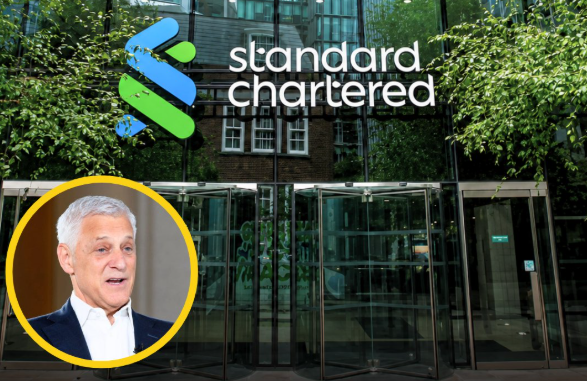
- The Controversy Over “Low-Value Human Capital”Bill Winters, the CEO of Standard Chartered, stated in an investor report that “low-value human capital” can be replaced by financial capital (meaning AI and automation technology). This blunt statement stripped away the traditional corporate rhetoric that “employees are our most valuable asset.” It even drew concerns from the Hong Kong Monetary Authority (HKMA) and the Monetary Authority of Singapore (MAS), both demanding explanations from the bank.
- Reflections on Wealth Redistribution and Social CostsThe speaker points out that the fruits of increased efficiency brought by AI are currently enjoyed primarily by top executives and shareholders (through cost-cutting that boosts stock prices). Meanwhile, the consequences of unemployment and anxiety are borne entirely by the employees. This is fundamentally a form of “wealth redistribution,” and the resulting social costs in the future may ultimately have to be footed by society or the government.
- Identity Crisis for Middle-Aged White-Collar WorkersUnlike younger generations who can flexibly switch careers or use AI to start businesses, middle-aged workers in their 40s or 50s face a deeper crisis if laid off. They deal not just with losing their livelihood, but with the total collapse of their core values and identity built over decades on the belief that “hard work brings rewards”.
Core Conclusion
Conclusion:
Advancements in AI technology have led corporations to stop viewing it merely as an auxiliary tool; instead, it has officially become a “replacement for employees”. However, while AI is highly efficient at handling processes, data, and reports, the core essence of the finance and service industries remains “human-to-human trust”.
To avoid being replaced by AI, future white-collar workers must shift their focus away from procedural tasks and toward human traits that AI cannot replicate. These include: building trust-based relationships, making critical moral and responsibility-driven judgments, exercising creativity, understanding client emotions, and having the courage to speak the truth at pivotal moments.
Key Vocabulary & Concept Glossary
| Chinese Term | English Translation |
| 董事總經理 | Managing Director (MD) |
| 發鈔銀行 | Note-issuing bank |
| 後勤職位 / 後勤部門 | Back-office positions / Back-office department |
| 低價值人力資本 | Low-value human capital |
| 金融資本 | Financial capital |
| 白領工作 / 白領階級 | White-collar jobs / White-collar workers |
| 合規 / 自動化 | Compliance / Automation |
| 裁員潮 | Layoff wave / Wave of redundancies |
| 財富再分配 | Wealth redistribution |
| 人與人之間的信任 | Human-to-human trust |
| 身份認同危機 | Identity crisis |
核心核心句子翻譯:
- 中: 「低價值人力資本是可以被金融資本所取代的。」 英: “Low value human capital can be replaced by financial capital.”
- 中: 「問題不是 AI 是否會取代人類,而是在 AI 提高效率後,到底由誰來分享成果、由誰來承擔代價?」 英: “The question is not whether AI will replace humans, but rather, after AI improves efficiency, who gets to share the rewards and who has to bear the costs?”
- 中: 「AI 可以寫報告,但它無法真正理解客戶的恐懼與需求;金融服務業最核心的依然是人與人之間的信任。」 英: “AI can write reports, but it cannot understand a client’s fears or needs; the core of the financial services industry remains human-to-human trust.”